Boats, the art of choosing the right boat!

Boats, what is your boat trying to tell you?

What kind of boat person are you? Are you a wild adventurer who likes to glide fast over the waves in a speedboat? Or are you perhaps a romantic who dreams of feeling the wind in your sail and the sea salt on your lips as you sail into the sunset?

The first step to answering these questions is to understand the different boat types and where they will be most comfortable. And once you know what type of boat best matches your personality and needs, the next important step will be choosing the right materials for your boat.

Whether you are new to boating or a seasoned sea bear, we hope this article will help you find your place in Sweden's boating world and maybe even inspire you for your next big boating adventure. So hang in there, because now the journey begins!

The harbor and the boat

Here we meet everything from the lively harbor of Smögen, known for its cottages clad in colorful wood panels and vibrant boating, to the piers of Fjällbacka, which offer a quiet haven for motorboats and sailing enthusiasts.
For many of us, boats are not just a means of navigating the water, but rather a way of life, a way to connect with nature, and an extension of our personality. Are you the adventurous type who loves the speed and excitement that a motorboat offers? Or are you more of the calm type who enjoys the tranquility of a sailboat?
The question is, where in Sweden does your boat fit in best, and what kind of boat person are you? In this article, we take you on an exciting exploration of Sweden's boating culture. We dive deep into different boat types, their materials and what makes some boats more suitable than others in different locations.
From the timeless charm of a wooden boat to the practical reliability of a plastic boat - we explore all this and more. Who knows, you might not only find your dream boat during this trip, but also discover a deeper part of your personality.
So, what kind of boater are you? Join us and start your journey here and now!

Different types of recreational boats in Sweden's ports

Starting with motorboats, we see two main categories: small and large motorboats. Small motor boats, often used for fishing or short day trips, are usually light and maneuverable. These boats are largely found in lake ports, as well as in inland coastal ports that are protected such as Ellös, Hamburgsund and Styrsö.
Large motorboats, on the other hand, including cabin boats and yachts, are more often found in Marstrand and in Strömstad and the larger coastal cities such as Stockholm, Gothenburg and Malmö, where they are used for longer trips at sea.
Sailboats are also a common sight in Swedish ports, especially in sailing paradises such as Marstrand and Sandhamn. These boats vary in size from small dinghies to large cruisers and racing boats, but share the common trait of being powered by wind power.
Wooden boats, from classic rowing boats to larger motor and sailing boats, are particularly popular in historic ports such as Visby and Vaxholm. These boats offer a nostalgia and a sense of tradition that few other boat types can match.

Finally, we have houseboats, which function as floating homes and are often permanently located in cities with major waterways, such as Stockholm and Gothenburg. These boats offer a unique lifestyle close to the water.

Boats made of wood, plastic, steel and aluminium?

When we review boat materials, we will see that the choice often reflects the boat owner's interest, practical considerations and personal preferences.
Wood is the classic boat building material, loved for its beauty and natural feel. However, wooden boats require a lot of maintenance, and are therefore best suited for those who enjoy boat building and maintenance as part of their hobby, or for those who appreciate the nostalgic feeling of sailing or driving a traditional boat.
Plastic, especially glass fiber reinforced plastic (GRP), is today the most common material for boat construction. Plastic boats are relatively cheap to produce, easy to maintain and have good durability and strength. These boats are popular with a wide range of boat owners, from recreational anglers to long distance sailors.
Steel and aluminum are mostly used for larger motorboats and sailboats, as well as workboats. Steel is very strong and durable, but it requires a lot of maintenance to prevent rust. Aluminum on the other hand is lighter and does not corrode, but is more susceptible to impact and damage. Boats built in these materials are often intended for serious, long trips and expeditions.
A boat owner who prefers to spend his time on the water rather than working on his boat may choose a plastic boat for its easy maintenance. A sailor interested in history may choose a wooden boat for its traditional charm. An adventurer planning long ocean voyages may choose a steel boat for its durability and strength. And a fisherman who travels, keeps the boat on the site and chooses watercourses as he goes, can advantageously choose a light boat in aluminum or plastic.

Askeladden P92 SUV

Length: 9.20 m Width: 2.80 m Weight: 3,100 kg Number of people: 10 Max engine: 600 hp

Askeladden C61 Bow Rider

Length: 6.10 m Width: 2.25 m Weight: 980 kg Number of people: 7 Max engine: 200 hp
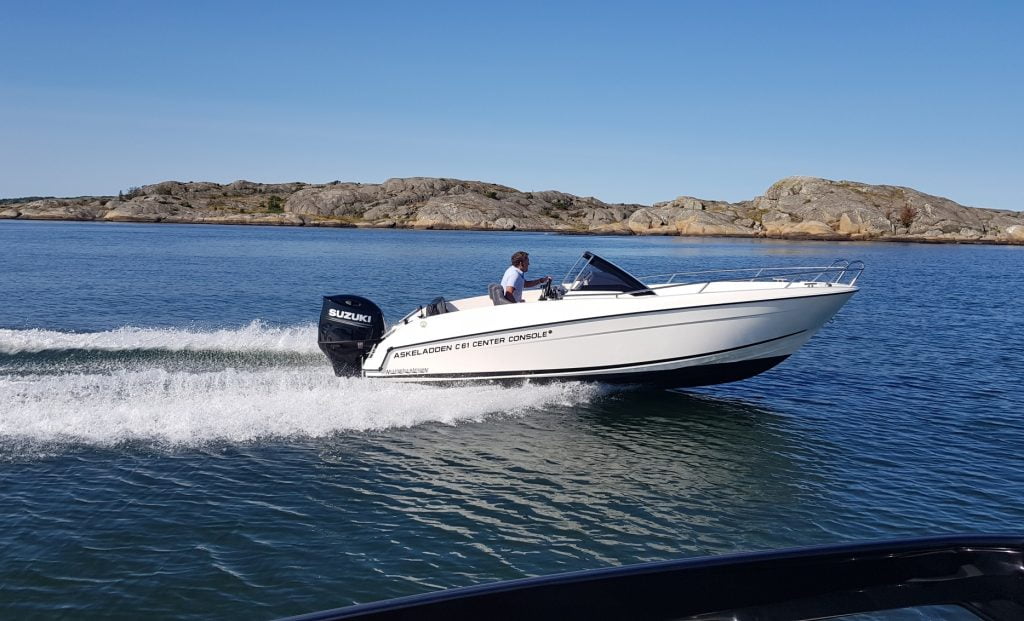
Askeladden C61 Center Console

Length: 6.10 m Width: 2.25 m Weight: 950 kg Number of people: 7 Max engine: 200 hp
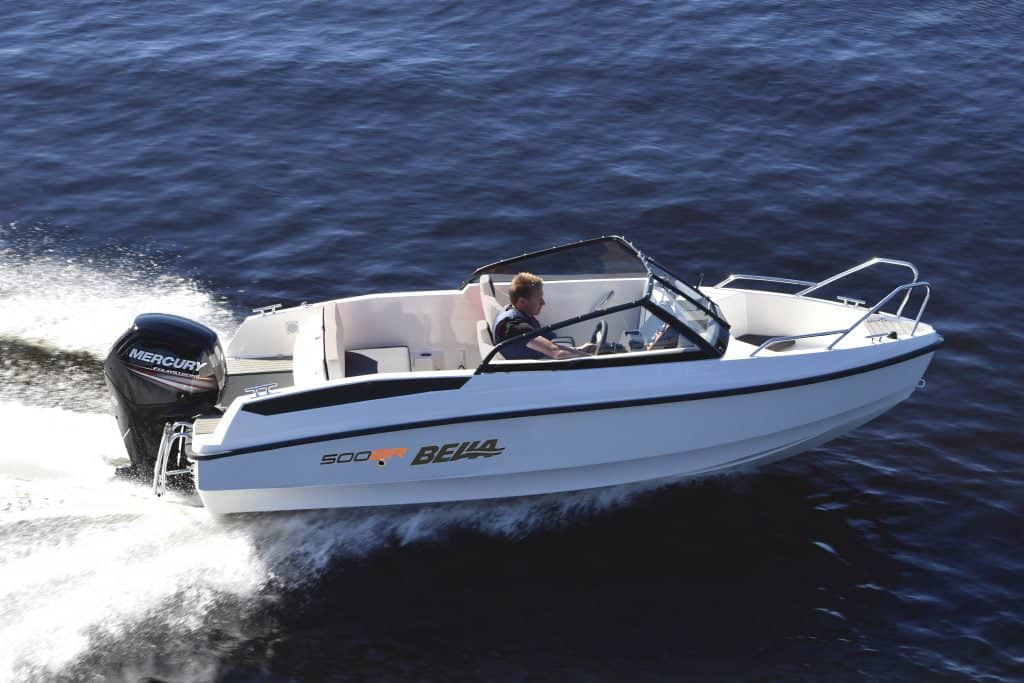
Bella 500 BR

Length: 5.01 m Width: 2.01 m Weight: 575 kg Number of people: 6 Max engine: 80 hp
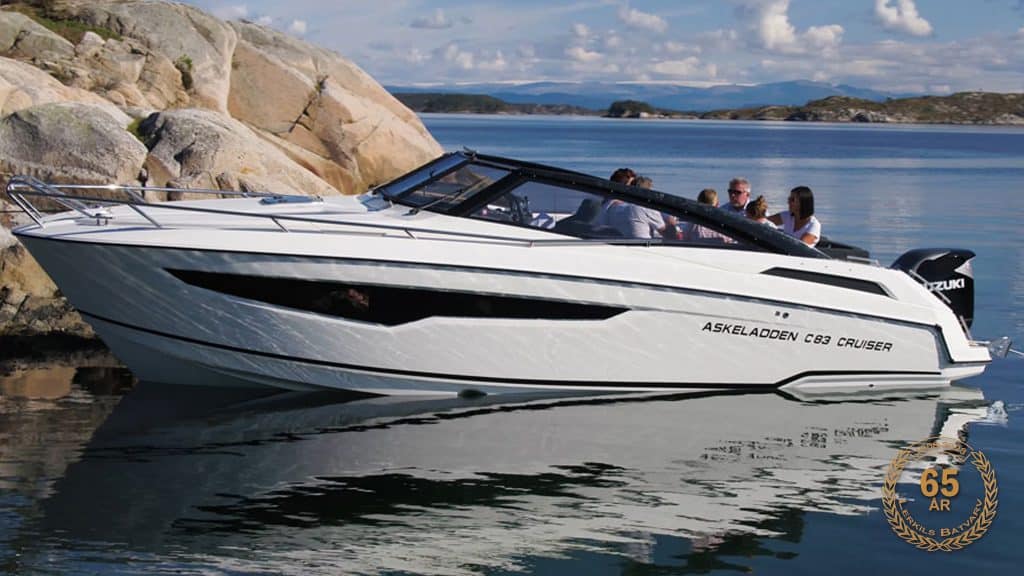
Askeladden C83 Cruiser TSI

Length: 8.30 m Width: 2.80 m Weight: 2,200 kg Number of people: 10 Max engine: 350 hp
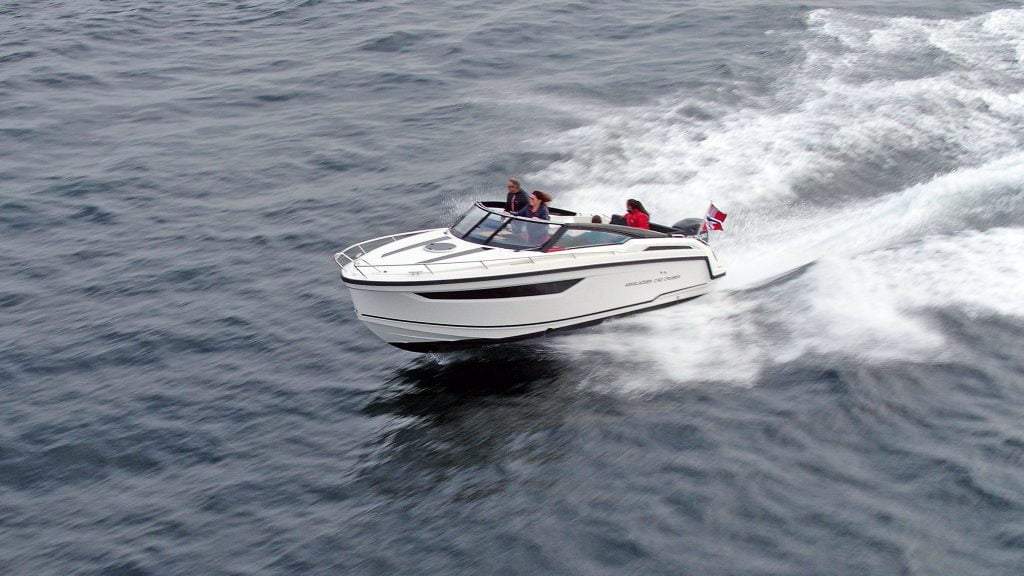
Askeladden C80 Cruiser

Length: 8.03 m Width: 2.75 m Weight: 2,100 kg Number of people: 8 Max engine: 350 hp